Tadpole wheel arrangement
A tadpole has two steered wheels at the front and a single driven wheel behind. The rider sits low between the front wheels, which gives a wide track and a very low center of gravity.
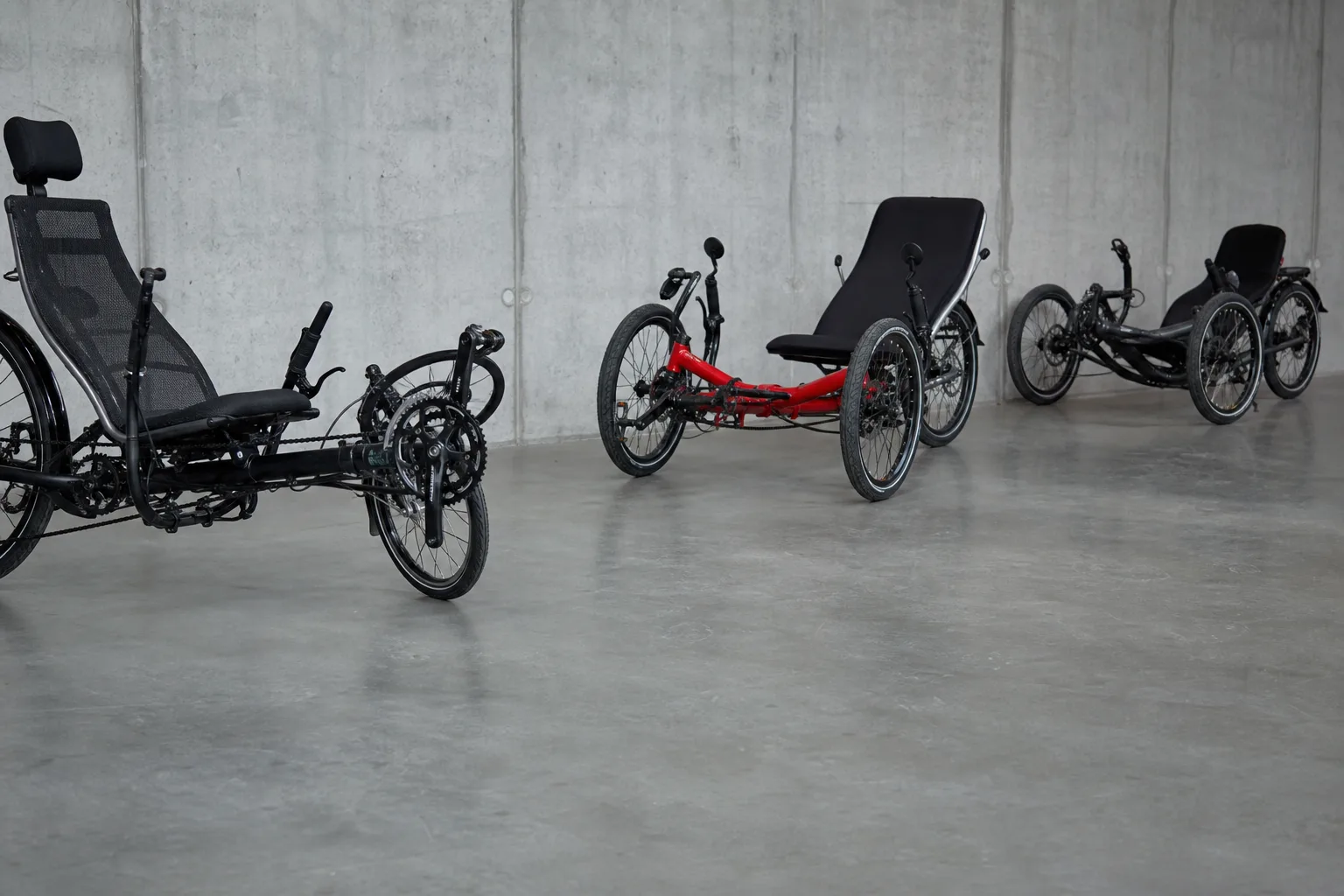
A tadpole has two steered wheels at the front and a single driven wheel behind. The rider sits low between the front wheels, which gives a wide track and a very low center of gravity.
A delta puts one steering wheel in front and two wheels at the back, usually carrying the drive. The seat typically sits higher and further from the ground than on a tadpole.
Delta seats often sit at about the height of a patio chair, which makes entry and exit far easier for stiff hips and knees. That single dimension decides the purchase for many riders.
One rider compared seat angles, wheelbases and folded dimensions before buying a laid-back cycle, then wrote down what the showroom did not mention. Everything here is what the machines turned out to do on real roads.
A tadpole trike corners low and hard, a delta sits high enough to reach a kerb, and a two-wheel recumbent still has to be balanced at a stop
Nearly every rider arrives at this decision from the same place: something hurts on an upright bike, or the balance is no longer reliable, and the laid-back seat looks like the fix. It usually is. But the three common layouts are not three flavors of the same machine, and the differences show up in places the showroom floor cannot demonstrate. A parking lot test ride tells you almost nothing about a fourteen percent grade, a four-way stop at rush hour, or whether the thing fits through the door of your shed. Those are the questions worth answering first, because they are the ones you pay for later.
A tadpole trike has two steered wheels in front and one driven wheel behind, so the rider sits low between the front wheels with a wide track and a very low center of gravity. A delta trike reverses that: one wheel steers up front, two carry the load and often the drive at the back, and the seat generally sits higher and further from the ground. A two-wheel recumbent is a bicycle in the ordinary sense, balanced by the rider, with the seat reclined and the pedals out ahead. Everything that follows comes out of those three geometries.
Climbing on any recumbent means you cannot stand on the pedals, so you push against the seat back instead, which is efficient but slow to develop if your legs have spent thirty years doing it the other way. A tadpole trike adds roughly the weight of a third wheel, a longer chain, and a heavier frame to that equation, and it will not fall over at two miles an hour, which is exactly why people climb hills on them at two miles an hour. A two-wheel recumbent is the lightest of the three and climbs closest to what an upright rider expects, provided you can hold a line above walking pace. Deltas sit between the two, and the honest cost of three wheels is measured in low gears you will actually use.
The tadpole's low seat is what makes it stable and fast downhill, and it is also what puts your eyes somewhere near the beltline of a parked sedan, which changes how you plan a route more than it changes how you ride one. Deltas sit taller, close to a lawn chair, which helps at intersections and helps far more when you are getting in and out of the seat with a stiff hip. Two-wheel recumbents vary enormously, from low racers to high-seat touring machines that put you at the eye level of a driver in a small car. The Consumer Product Safety Commission oversees safety requirements for bicycles sold in the United States, including the reflectors and braking standards that arrive on the machine, but flag height, mirror choice and route selection are yours to solve.
Solving them is not expensive. A tall flag, a mirror on each side, and a daytime running light on the seat back cost less than a set of tires and do most of the work. What costs more is the honest audit of where you intend to ride: a rider whose commute crosses four lanes of arterial road at dusk should weigh seat height heavily, and a rider who is mostly on a rail trail can ignore the question almost entirely.
This is where three wheels earn their money. A trike of either kind can be stopped dead on a climb, restarted, walked through a gate, or ridden at the speed of a person pushing a stroller, and none of that requires balance. A two-wheel recumbent at walking pace requires real skill, and it takes most people somewhere between an afternoon and a couple of weeks to acquire, with a period in the middle where launching from a stop feels genuinely awkward. Deltas turn tighter than tadpoles in most cases, which matters on a narrow path with a switchback, though the tall seat and narrow front make them more willing to lift a wheel in a fast corner.
The cost that surprises people is spatial. A tadpole is typically two and a half to three feet wide and long enough that it will not stand in a corner, so a folding frame or a removable seat becomes a real requirement rather than a nice extra, and hauling one means a hitch rack rated for the weight or a van. Buying an electric recumbent trike adds a battery, a motor and another forty or fifty pounds to whatever you are lifting. Two-wheel machines fit bike racks and garages the way ordinary bikes do, and that alone decides the question for some households.
Balance that is no longer dependable, a need to stop and start on grades, or a plan to carry groceries and a dog points hard at three wheels, and among those, a bad hip or a habit of loading a rack points at a delta while speed and stability point at a tadpole. Long solo mileage, hilly terrain, and an apartment with stairs point at two wheels. Ride all three before you commit, on a hill if you can find a dealer near one, because the layout you enjoy is the one that leaves the garage.